

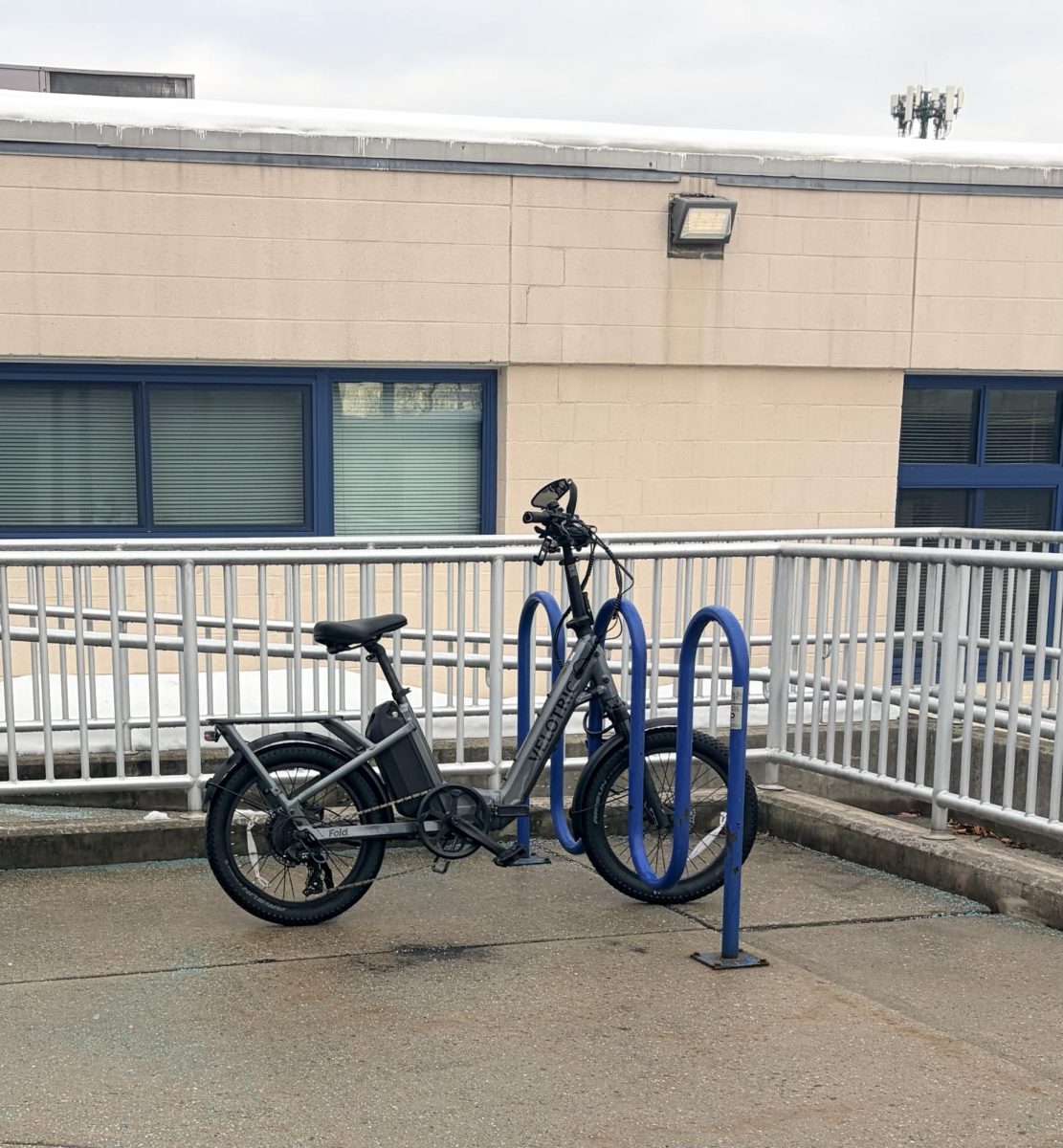
Starting July 19, 2026, most electric bikes will require registration, insurance, and either a moped or driver’s license to operate. Governor Phil Murphy signed this law into effect on January 19, 2026–his last day in office. All e-bike riders must obtain a motorized bicycle license from the New Jersey Motor Vehicle Commission. Now, e-bike operators need to be at least fifteen years of age, pass vision tests, and present six forms of identification to qualify. Those 17 years of age with a basic driver’s license or a motorized bicycle license do not need to go through these same steps to ride an e-bike.
This change was made in an effort to reduce crashes involving e-bikes, particularly among young riders. Not only are there tighter restrictions around the operation of e-bikes, but now, it is mandated to report crashes involving e-bikes. Accidents will be documented and the appropriate measures will be taken to address it.
Moreover, registration and licensing policies have been changed–all e-bikes must be registered and insured by the rider. There is a six month grace period for riders to comply with these regulations and all licensing and registration fees will be waived for the first year after the law takes effect. The new law also eliminates the three-tier classification e-bikes have known, merging all e-bikes into a single class: motorized bicycles.
This law has stirred much controversy because many have conflicting opinions about the change. While the law was enacted to protect riders and pedestrians, some argue that this puts too much restriction on lower-income individuals and those who rely on e-bikes for transportation. Junior Isabella Brusco says, “I think that it’s really good to have more restrictive laws because when I’m driving, I see a lot of cars have to swerve to miss people on bikes, and it could cause car accidents and bikers to be harmed. So it’s important to have more laws like that so less people get hurt and are put at risk.” If it accomplishes nothing else, it is the hope of many that e-bike accidents will be lessened with the passing of this law.
Conversely, Junior Matthew Mazur comments, “There is already such a disincentive to ride bikes because we struggle with walkability in communities. And that just kind of adds to that problem. If you continue to disincentivize bike riding and methods of transportation besides a car–if you keep being so reliant on the car, you’re then never gonna have the necessary drive to encourage more communities to build paths and sidewalks. And then the infrastructure won’t exist if you keep trying to restrict certain usages. I don’t think it’s that much of a threat. But an already expensive product will continue to shrink down the potential market for people who can get access to e-bike with these laws.”
Overall, this new law has placed stricter limits on e-bike usage and will hopefully make e-bikes safer to the public without sacrificing an unreasonable amount of accessibility.