

A 2025 Chevrolet Corvette Stingray has a top speed of around 190 miles per hour. According to the National Hurricane Center, that is as fast as the Category 5 Hurricane Melissa, the strongest storm on Earth this year, was spinning as it passed through Jamaica.
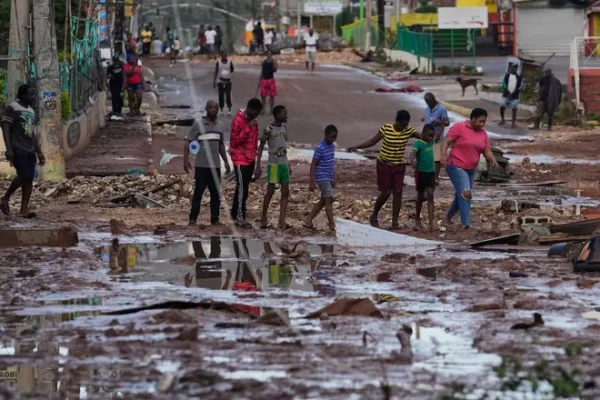
Shockingly, it is said that the water from the storm, not the wind, is what makes it so lethal. The water from Hurricane Melissa caused massive surges and flooding, especially on an island like Jamaica that is surrounded by water. Even if the winds from the storm slow down, the water will still cause the same amount of destruction. The water from the storm will also cause destruction that is much harder to repair than the wind damage such as loss of electricity on these islands. Around 77 percent of people in Jamaica are without power because of the storm; that’s around 2.2 million people! Melissa is dropping feet upon feet of rain and is causing major damage to roads and buildings. Places that are essential in Jamaica like hospitals and schools are getting flooded and demolished by the overwhelming amounts of water and debris flying around. Even emergency shelters, the places that are needed the most in situations like this, are useless for the same reason. Looking at data directly from the storm makes matters much, much scarier.
It is important to know that the lower the central pressure of the storm, the stronger the storm is becoming. On Tuesday, October 28, the pressure inside Hurricane Melissa dropped significantly and reached below the minimum that Hurricane Katrina ever got!
Estimates for the death toll in Jamaica are generally around 3, but before we even get time to sympathize, the hurricane blasted straight through Haiti, killing 25 people and injuring countless more. Pascal Bimenyimana from the World Relief NGO described the scene in Haiti with this statement, “You can see many roofs have been taken off. People are clearing the debris with their bare hands.” The situation in Haiti is catastrophic to say the least. Unfortunately, Haiti doesn’t have the infrastructure for recovery like Jamaica does which made saving lives and preventing further damage much harder.
Melissa’s third stop was eastern Cuba, where the storm had weakened somewhat but still carried dangerous force. The hurricane entered the country as a Category 3, with sustained winds of roughly 120 mph. Cuban authorities evacuated about 735,000 people prior to the storm’s arrival. In the Santiago de Cuba region and other eastern territories, roof failures, landslides and major flooding like those in Haiti were reported. The rough, mountainous terrain made evacuation difficult and slowed response efforts immensely. The Cuban government emphasized that while the immediate human toll may be lower than elsewhere, the economic disruption and delayed recovery will be substantial.
As we hear about the severity of the storm in the Atlantic Ocean, we are reminded of a similar storm that was made just a few months ago. In August, we saw Hurricane Erin sweep through the Atlantic Ocean and flood areas in Florida. What are the chances we get two historically large hurricanes in such a short span of time? I don’t believe that this is a coincidence. Hurricane Melissa’s rampage calls into question the serious threat of global warming. While correlation does not equal causation, we shouldn’t ignore the fact that the global climate is increasing at a significantly faster rate than at any other time in history, and therefore makes the chances of creating such a storm higher. This was the same sentiment that was being spread during Hurricane Erin’s reign in August. Are these disastrous hurricanes a wake up call to address global warming? My gut instinct is saying yes.
Overall, it is safe to say that hurricane Melissa is one of the deadliest and most catastrophic storms we have seen in years. It seems like all we can do is hope that the people living on these islands will not have to bear the brunt of absurdly high wind speeds and extensive flooding any time soon.